White Fields’ Indigenous Pastors Serve in Hard Places
When we consider the hard places our pastors serve, we may even liken it to a battle on the ground. They face attacks and counterattacks that aim to stop the spreading of the gospel—or even get it started—and discourage them from persevering in the work of the Lord. These church planters are fighting a battle to win the lost. Your partnership encourages them in the battle.
The First Battle Comes from the Hardened Community and is Manifested in Many Ways
Persecution by the majority religion. The majority of religions can be very antagonistic, attacking Christians in a variety of ways, making it a tough place to start a church.
Impoverished Community. When you minister in a place where the people are extremely poor, the people focus their primary activity just to stay alive. So, gaining their attention to focus on spiritual issues and starting a church is difficult. However, we also see in these situations that people are ready to accept the gospel. But growing them into a self-sustaining church body is more difficult.
The absence of general utilities. Without sewers, electricity, and clean drinking water, the pastor has to teach the people the basics of how to live. The people are not prepared for or know how to obtain the basic necessities of life.
Combining Gospel Proclamation and Poverty Relief
White Fields ministry brings the proclamation of the gospel so that the people will believe in Jesus Christ and repent from their sins. Then, as the church grows, our pastors teach them Scriptural principles and show them how the practical application of the Bible answers and solves their physically impoverished condition. We come alongside the transformed people, providing small grants to assist them in becoming productive members of their local economy. We call this part of our ministry, Poverty Solutions.
The absence of grocery stores means pastors have to raise their own food because it is unavailable locally, or if it is, it is too expensive to buy. Because of this, before White Fields provided a full-time salary, the pastors spent a great deal of time farming and raising livestock. When we provide the support, they become full-time pastors and hire church members to work on their farms.
Hard-hearted people. In these remote, unreached villages, generation after generation has practiced animism, demonic worship, or ancestral worship. The pastor is sharing the gospel on very dry, hard, and thirsty ground, which requires great perseverance on the part of the church planter.
Culture lacks basic knowledge of a biblical worldview, so there is no foundation for sharing the gospel. The church planter must start by sharing the foundational principles of Scripture. Simple truths, such as there is a personal God, He is active in the world, or we have offended God by our sin, are not comprehended in the context of the local culture, so the church planter must begin by laying the groundwork.
White Fields’ Pastors are Going to These Hard Places
The pastors we support are educated. They could ignore these impoverished areas and serve instead at the center of the capital cities. They could make a fortune serving in more populated, more educated areas, building mega-churches. They could provide a comfortable living for themselves and for their families.
However, the pastors we support stay in these impoverished communities because of their heart’s desire to bring the lost to Jesus and because God has led them to do so. They desire to minister to these spiritually deprived people who are living in financial poverty. The ultimate goal of our pastors is to transform the whole community through the gospel of Jesus Christ and to establish the new believers spiritually in their new life in Christ. They also desire to see people raised out of physical poverty so that they can raise healthy children to know and grow in the Lord.
Choosing to Serve on the Ground Requires Sacrifice
Our Field Director in Myanmar, Pastor Thawng, showed how the well was dug by hand so that the church could provide clean water to the community.
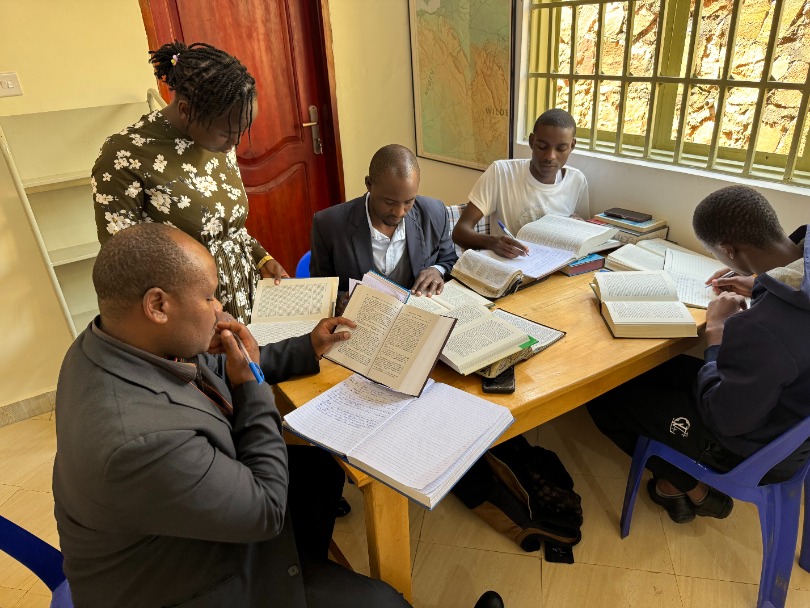
Pastor Thawng made this choice. He left his home in the Chin State of Myanmar. He left the place where his family—his mother and his brothers—all lived. He could have stayed and worked in the family business or stayed and worked in a church filled with relatives and people he knew. But instead, he left the familiar areas of his home and traveled to live in a community where there were only a few Christians. By the grace of God, he has made headway against the enemy camp. He now leads a church and has also established a Bible school, and today there are over 28 students studying to be pastors and church leaders.
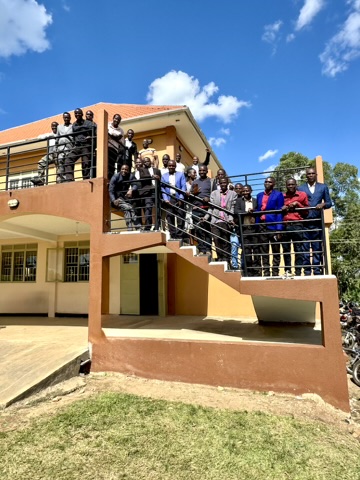
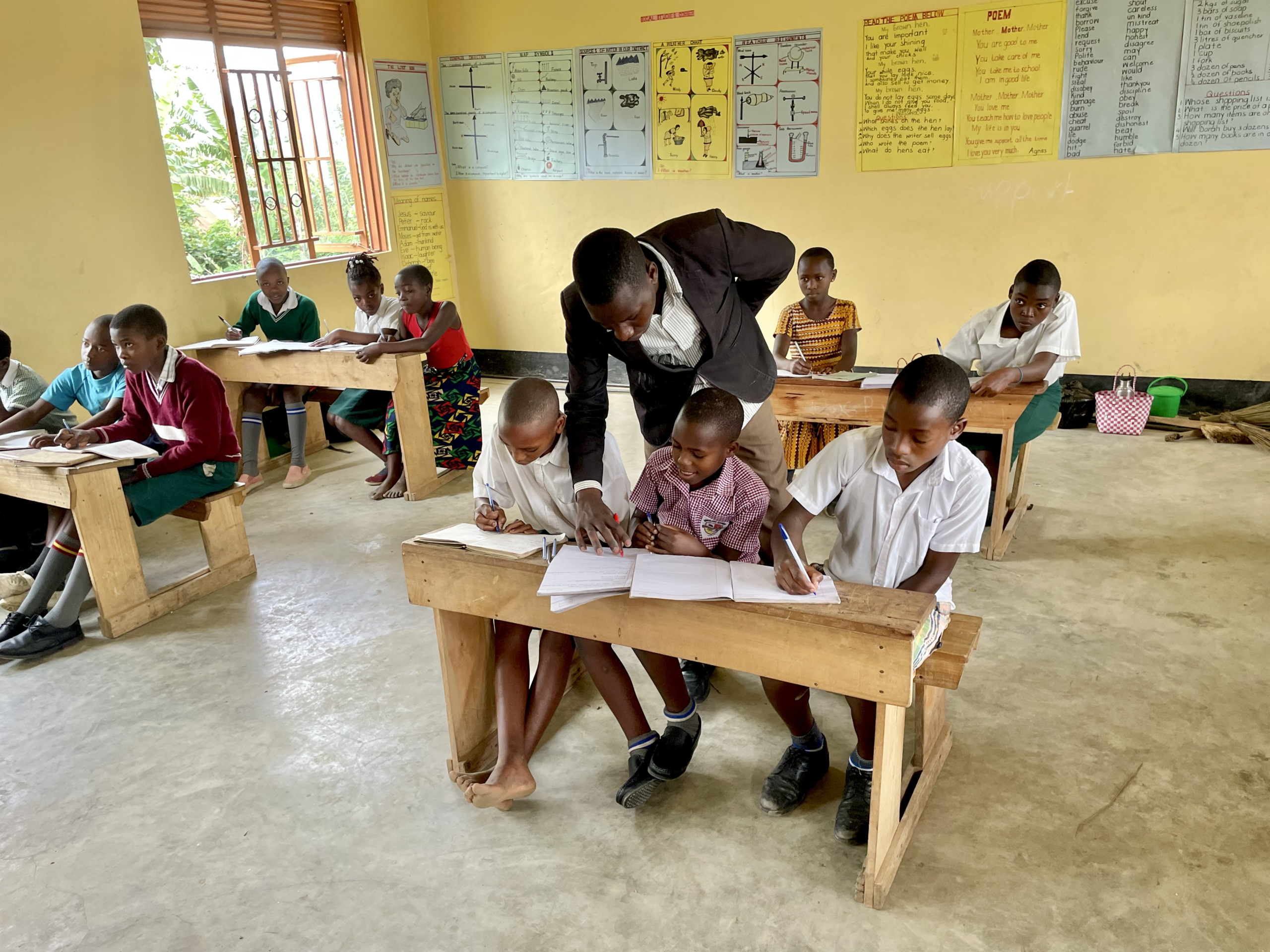
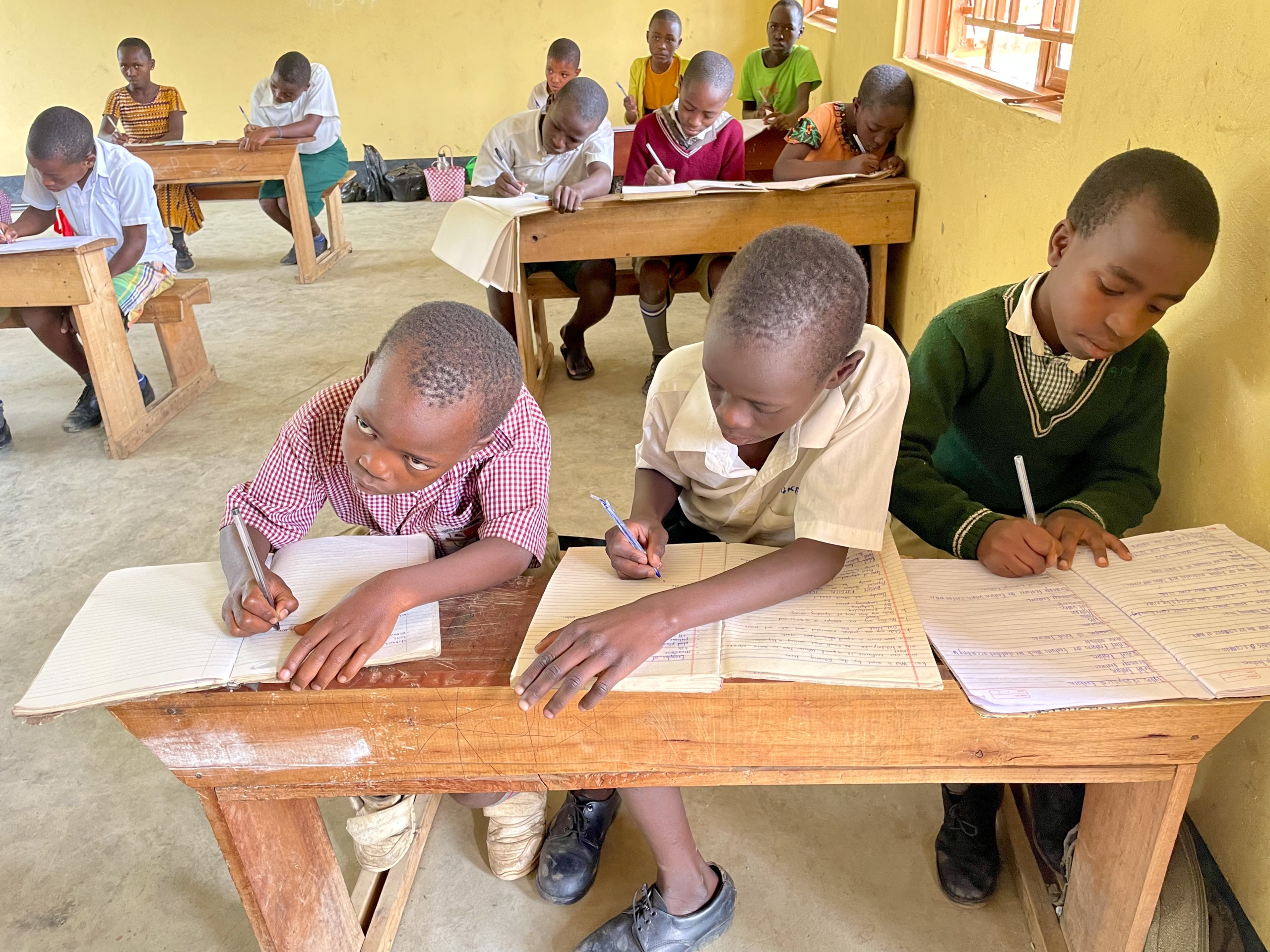
Pastor Onesimus is another example. Although highly educated, he lives in one of the poorest areas of Uganda. He left Kampala, the capital city, where he could have easily built a large and wealthy church. But God called him to go to this impoverished area. Now he leads the ministry of over twenty-five churches planted by White Fields, Graceland Elementary School, a Medical Center, and the Uganda Bible College.
The dedication of these pastors and the leaders in each country we serve is what makes the ministry of White Fields so vibrant. We are privileged to be partners with these sacrificial and dedicated church leaders.
And you Philippians yourselves know that in the beginning of the gospel, when I left Macedonia, no church entered into partnership with me in giving and receiving, except you only.
A Second Battle the Pastors Inevitably Face is the People’s Lack of Education
The lack of education spirals and touches many. Because of this, the church needs to provide educational opportunities for children. They have to sponsor literacy education or these children grow up unable to read. And without the ability to read—without education—they are unable to grow out of the poverty they are in. Adults who cannot read or write have a miserable time advancing in their careers and generally earn minuscule salaries. So, offerings in the new church grow very slowly. It takes quite an effort to gather enough funds to sustain the church ministry.
Uneducated people also easily fall prey to unbiblical schemes by false teachers. (That doesn’t mean that educated people don’t believe false teachings, either, but the uneducated are taken advantage of and will fall more easily, even though they are sincerely trying to follow Jesus.)
The pastors, therefore, need to guard and give close and careful attention to protecting the church’s members, which can be very time-consuming, difficult, and heart-wrenching.
Graceland Elementary School Provides a Tremendous Impact On Their Community
You can provide a scholarship for a student to learn reading, writing, and mathematics. Additionally, they are surrounded by biblical teachers growing them in the knowledge of the Lord. The next generation will be far more prepared to lead their communities and increase the churches in their villages.
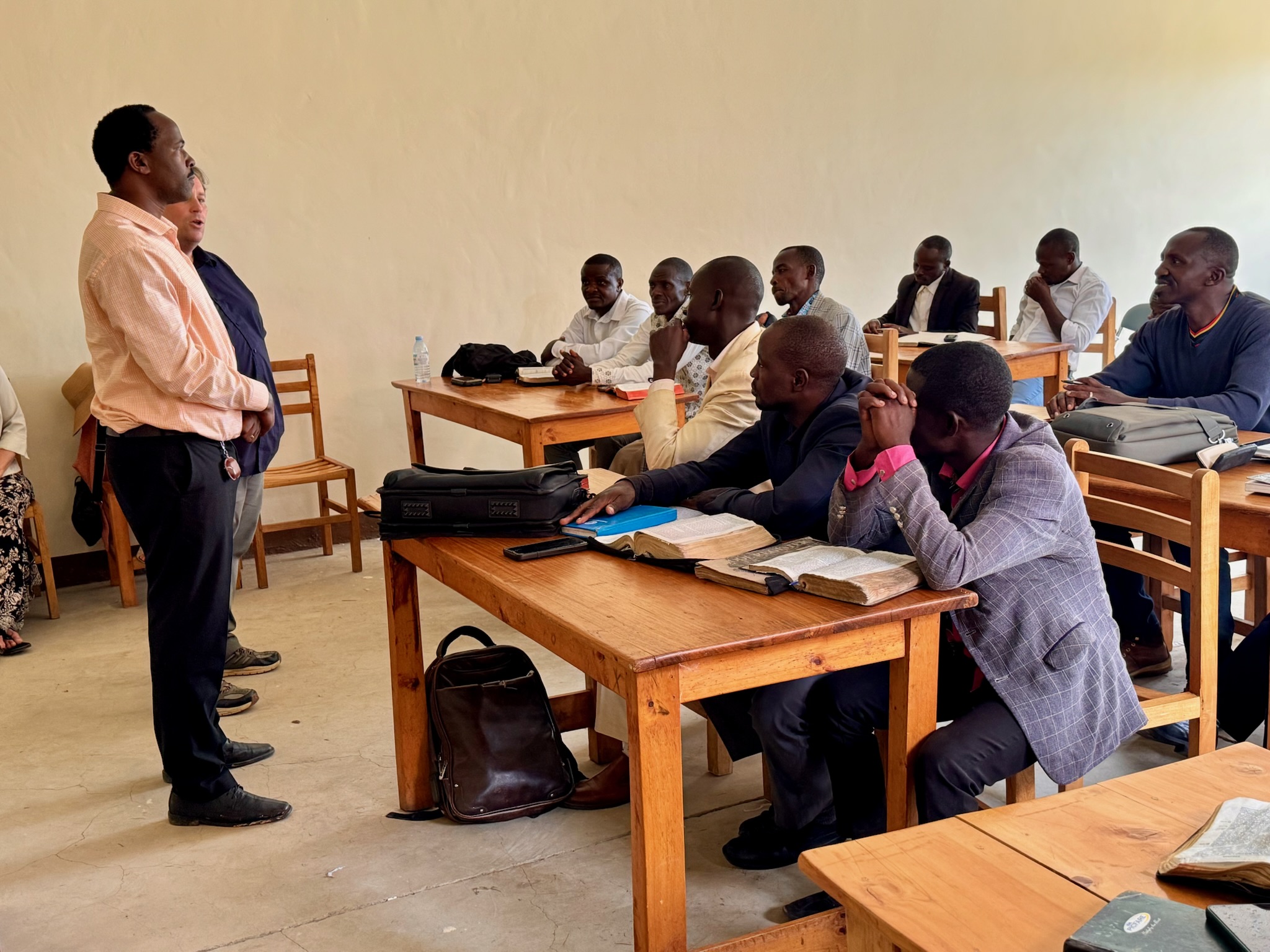
Progress in learning the Bible can be slow and tedious. Pastors must spend a great deal of time repeating lessons so that the people can understand. And since they can’t read, they need extra tutoring just to learn the basic biblical principles. The pastors can’t give them something to read on their own and in their own time, thinking they’ll come back understanding how to pray, read, and study the Bible. Discipleship requires diligent effort and repetition by the pastor.
A Third Battle is the Lack of Water and Power
Lack of water and electricity affects time and schedules. The members of the church must spend a significant portion of their day working to meet the basic requirements of living. So there is not much time left to spend studying the Bible or doing activities with the church. We build water tanks to harvest rainwater from the roof of the church building. Then we provide clean water to everyone in the community. This helps the church members by providing clean water and opens doors to sharing the gospel with their non-Christian neighbors.
The pastors in these churches must do the ministry work within the parameters of the people’s schedules. While trying to attain the goals of the church’s ministry, the pastors will sometimes have to go out and spend time with them in the rice fields to be with them because that is where the people are. They have to spend their days, during the planting and harvest seasons, from sunup to sundown, in the fields just to survive.
The Battle Against Disease Brings Discouragement
Common illnesses are more difficult to fight. Common diseases that could be cured by antibiotics end in tragedy because they don’t have the resources.
There is a greater occurrence of death in these poor communities. Sometimes babies and even mothers can die in childbirth. This is such a great tragedy. We need to support our pastors in prayer because this can be very discouraging.
The Sacrificial Nature of White Fields’ Pastors
They do not have the convenience of living arrangements. If they were to stay in an easier place, they would have stores to shop at and better housing. But they give this up and live in very poor situations.
They do not have the ease of developing leaders in the church. Pastors who go to an area that is uneducated mean they are going to have to do a lot more work teaching them how to read and understand the Bible. They won’t have college graduates to whom they can hand a book and say, “Read this and we’ll talk about the discipleship principles.” He is working with uneducated people, and this will require him to work on more rudimentary elements—such as training them to read and understand the Bible’s logical principles and sequential issues.
They do not have easy access to quality education for their own children. They realize they must homeschool their children or find another local source to assist in this. We have been compelled to help start local schools to help the children of our pastors.
They suffer disappointment when talented young people from the community leave. Often, pastors make huge investments of time in training and discipling these young people. But when young people see an opportunity for a better education or a job, they continually leave the poor communities to find their fortunes in the big city.
We can stand by them in prayer and through financial support for the pastors, whose needs are many.
I hope that you gain insight into the method of the ministry of White Fields.
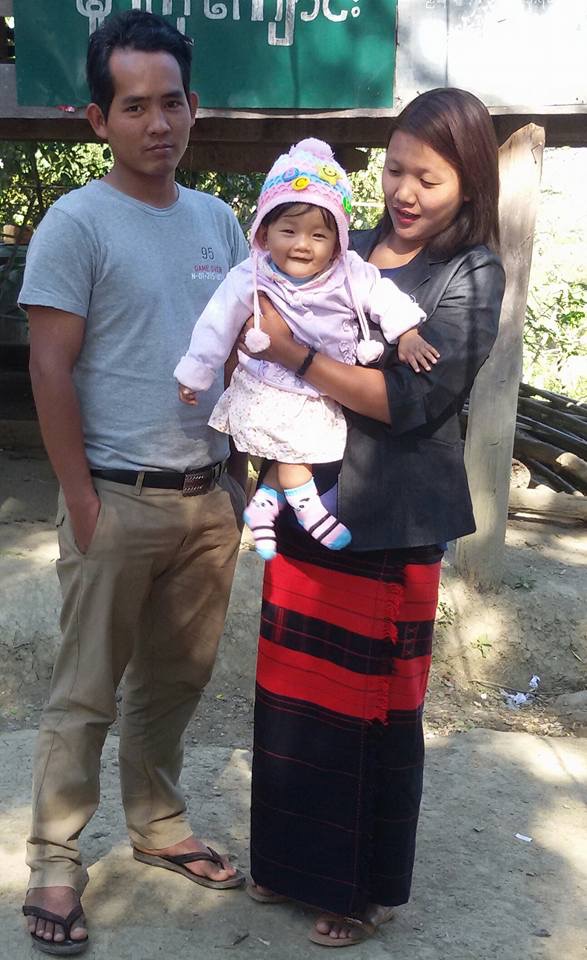
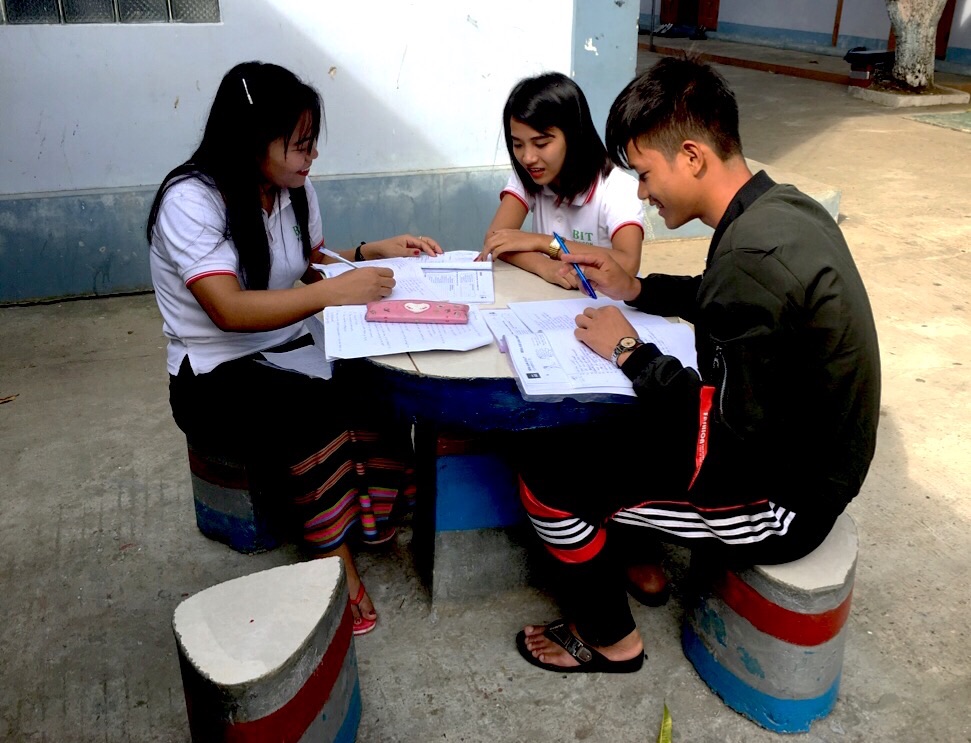
Young Pastor & FamilyNew Pastor and His WifeStudents Studying in Myanmar
We also need to support these pastors financially, so they have the resources to lay the foundation of the church.